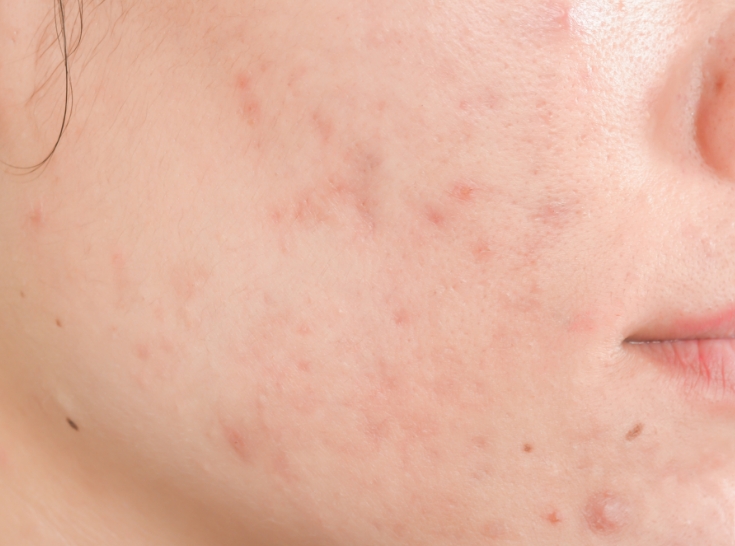
Pigment
Uneven skin tone, sun spots, or hormonal pigmentation are often signs of melanin imbalance. Our personalised pigment treatments focus on reducing melanin overproduction, promoting healthy skin turnover, and restoring a clear, radiant complexion.

Pigment
Tackle Pigmentation at the Root — Not Just the Surface
Pigmentation isn’t just a surface flaw—it reflects internal and external imbalances. Whether caused by hormones, sun exposure, or skin inflammation, it requires a strategic, personalised approach.
Guided by clinical research and bioscience, our pigmentation repair program uses targeted Pigment Laser treatments to reduce melanin overproduction, boost skin cell turnover, and restore an even skin tone—gently and effectively.
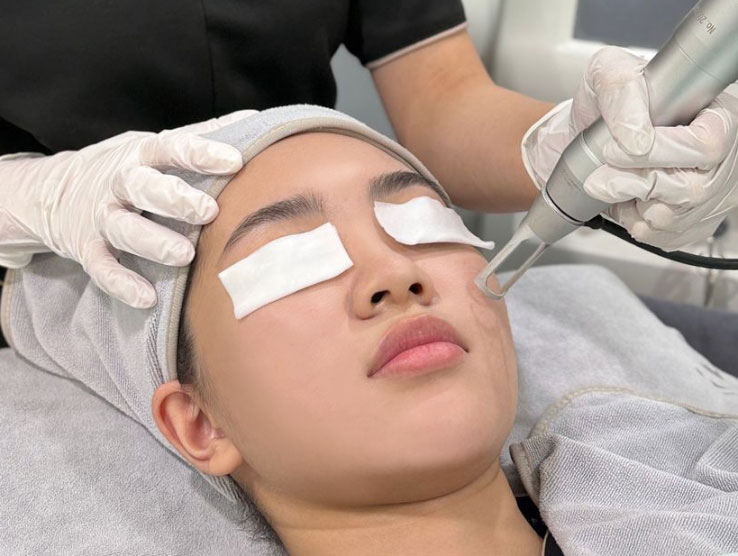
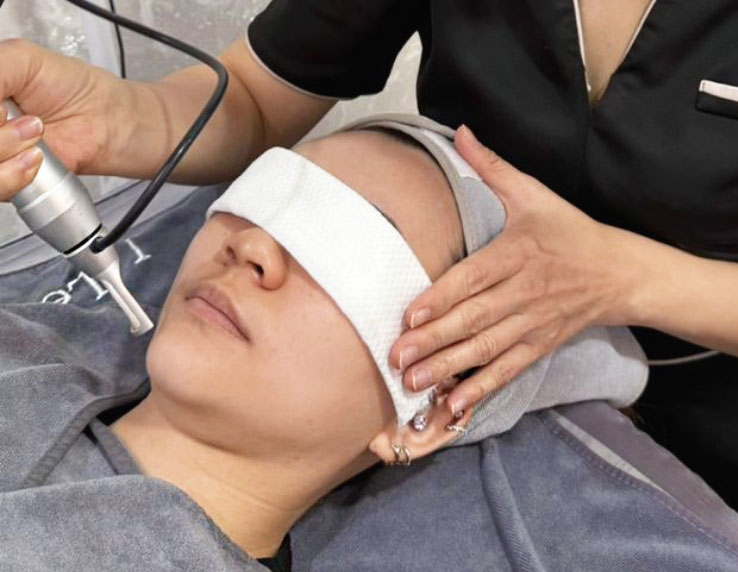
Pigmentation refers to dark spots or discoloration caused by overproduction or uneven distribution of melanin. Common signs include:
- Brown spots
- Uneven patches
- Freckles or age spots
- Deep dermal discoloration
These indicate that your skin barrier and melanin regulation are under stress. Targeted Pigment Laser treatments and personalised skin care treatments help restore balance, reduce discoloration, and improve overall skin clarity.
Skin Symptoms
Common Causes of Pigmentation

Genetics
Family history of freckles or spots? You may be predisposed to pigmentation. Prevention is key — year-round sun protection is crucial.
UV Exposure
Sunlight, blue light, and radiation stimulate melanocytes to produce excess melanin — leading to long-term melanin buildup.
Hormonal Imbalance
Pregnancy, contraceptives, poor sleep, and chronic stress disrupt estrogen levels, triggering melasma or hormonal pigmentation.
Harsh Skincare & Allergic Reactions
Irritating or chemical-laden cosmetics damage the skin, triggering inflammation and melanin overproduction.
Post-Inflammatory Hyperpigmentation (PIH)
Skin injuries from acne, burns, or scratching can leave lasting dark marks as melanin overproduces during healing.
Visible Red Capillaries
(Broken Capillaries)
Fine red lines or spider veins on the skin’s surface suggest weakened skin structure and overreactive blood vessels due to chronic inflammation.
How Pigmentation Forms
Melanin production process:
01
Melanocytes sense skin damage or stimulation
02
Tyrosinase enzyme activates → Converts tyrosine to melanin precursors (DOPA)
03
Oxidation leads to melanin accumulation in skin
04
Excess melanin = visible pigmentation
Melanin is a double-edged sword — it protects your skin, but overproduction causes spots.
Types of Pigmentation
Know What You’re Dealing With

Freckles
Genetic; small brown dots, often symmetrical on the cheeks and nose. Worsen with sun exposure.

Sunspots
Caused by UV damage; flat or raised dark brown spots, from pea-size to coin-size.

Age Spots
Common in older adults; flat or raised with clear edges, often on temples or hairline.
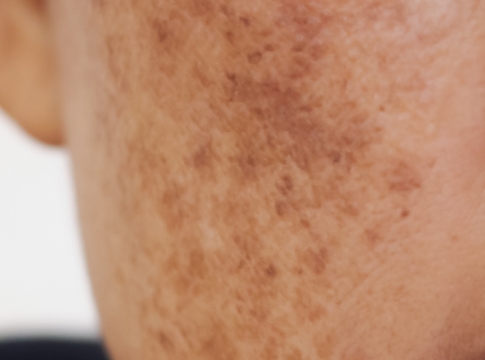
Melasma (Chloasma)
Hormonal; symmetrical patches around cheeks, nose, forehead. Worsens with sun and stress.
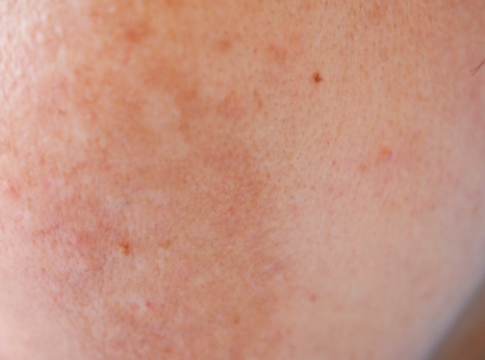
Dermal Melasma
Also called Hori's nevus; blue-gray patches on cheeks, eyelids, temples. Deeper layer, harder to treat.
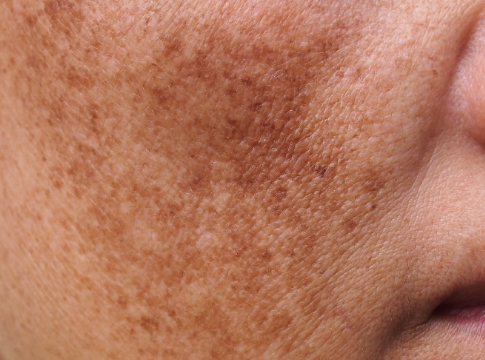
Post-Inflammatory Hyperpigmentation (PIH)
Results from acne, wounds, or burns; varies in shape and color.
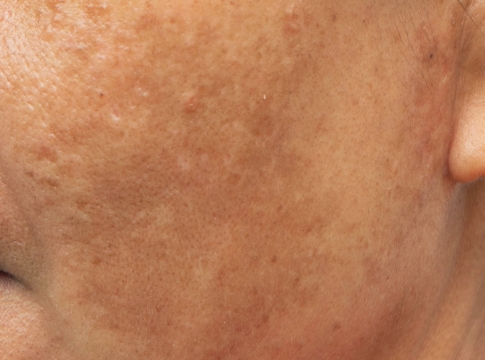
Mixed Pigmentation
ombination of types due to incorrect or repeated treatments.
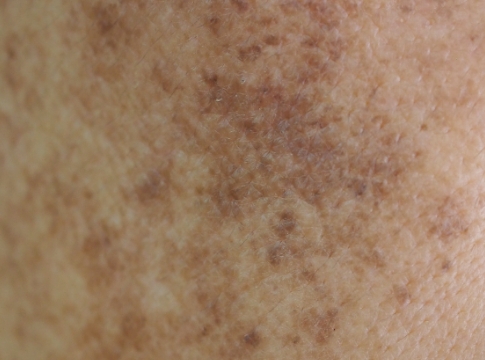
Heavy Metal Spots
Caused by long-term use of low-quality cosmetics containing lead or mercury.

The 3 Keys to Pigment Control
The Key Steps to Clear,
Even-Toned Skin

Inhibit Overproduction
Stop excessive melanin at the source
Break Down Existing Pigment
Fade stubborn spots through gentle active ingredients

Boost Cell Turnover
Encourage healthy skin renewal to flush pigment out
Deep Cleansing
The Foundation of Healthy Skin
Every day your skin is exposed to:

Makeup residue

Pollution & dust

Oil buildup

Dead skin cells

Product buildup
Testimonials
Healing Beyond Skin Deep

Your Skin Solutions
Gentle Yet Effective Care
for Your Skin

Sensitive Skin